There's a lot of talk about artificial intelligence, but what does it actually do for a small business? Here are 7 uses already working in real projects I've built, with what they cost and the safeguards I use. And one case where it's better not to use AI.
1. Translate your website automatically
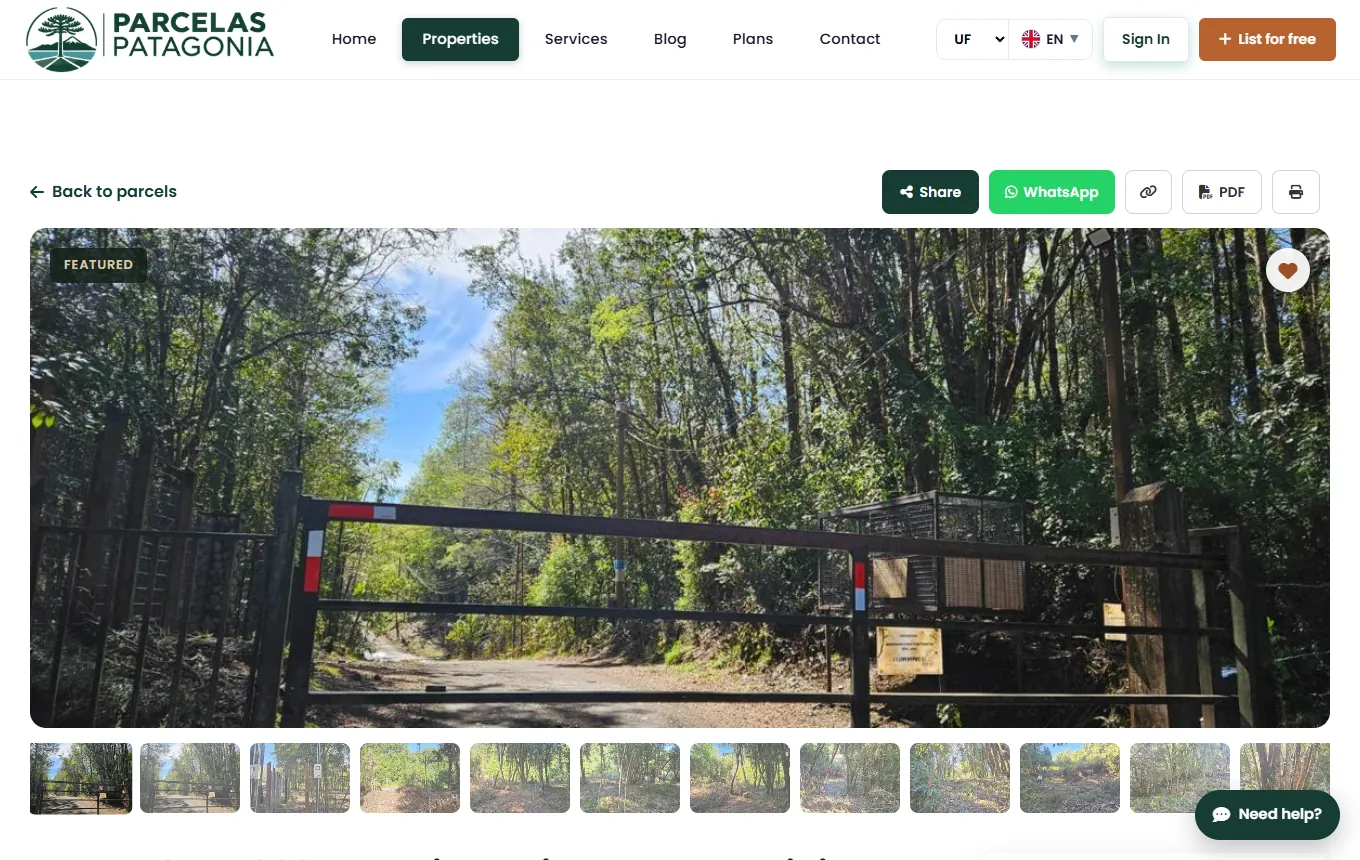
On Parcelas Patagonia, a land-for-sale portal, every new listing is translated into English overnight, with nobody involved. The translation service used has a free plan that covers the daily volume, and a cap prevents going over. The result: foreign buyers read every listing in their own language.
2. Rewrite duplicate text, without inventing anything
The descriptions coming from brokers were identical on other portals, and Google doesn't index duplicate content. AI rewrites each description into unique text, with a strict rule: keep the facts exactly (area, price, services). If the AI fails, the original text stays: it never blocks anything.
3. Explain complex results in plain words
On ExploreYourDNA, a DNA analysis platform, a free tool recommends the most suitable report for each customer. The recommendation is decided by the calculations, always the same ones; AI only explains the result in plain words. The golden rule: AI explains, rules decide.
4. A blog that writes itself… with human review
On Trekonda, a tour guide portal, every week the system picks a real topic (a destination and an activity with available guides), drafts the article in 5 languages and saves it as a draft for review. Publishing without review is possible, but it's off by default.
5. Analyse your Google data
I use AI to go through the Search Console and Analytics data of my sites and my clients' sites: which searches bring visits, which pages underperform, which technical errors hold rankings back. I covered it in detail in how Claude helped me improve SEO across all my websites.
6. Assisted prospecting: finding and contacting customers without losing hours
For Trekonda I built a prospecting tool for tour operators. Most of it is automation, and that's fine:
- Contact data lookup: the system visits the prospect's website (home and contact pages) and extracts their email, phone and Instagram.
- One-click WhatsApp, with an invitation already written in the prospect's language.
- A human-paced campaign: one email at a time, Monday to Friday during office hours, with a daily limit, and a single follow-up days later for those who neither replied nor were contacted another way.
- Everything is logged on the prospect's record, and a summary arrives by email every evening.
- AI provides the content: articles per destination give the prospect a concrete reason to reply.
The point isn't to send thousands of emails, but to do well and effortlessly what a salesperson would do by hand, while respecting those who don't want to continue.
7. Build faster, and cheaper for the client
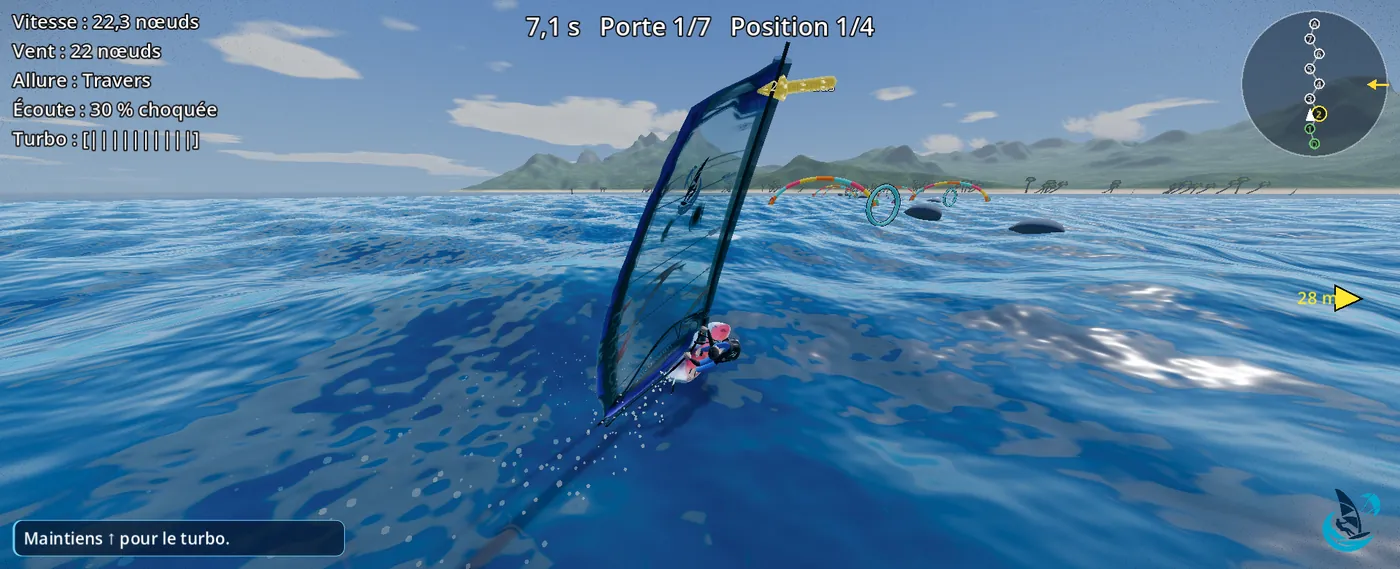
I work with Claude Code as a programming copilot: it writes, reviews and fixes code with me. A custom CRM or website is delivered sooner, and that shows in the price. I even built a windsurf game that way.
And when NOT to use AI
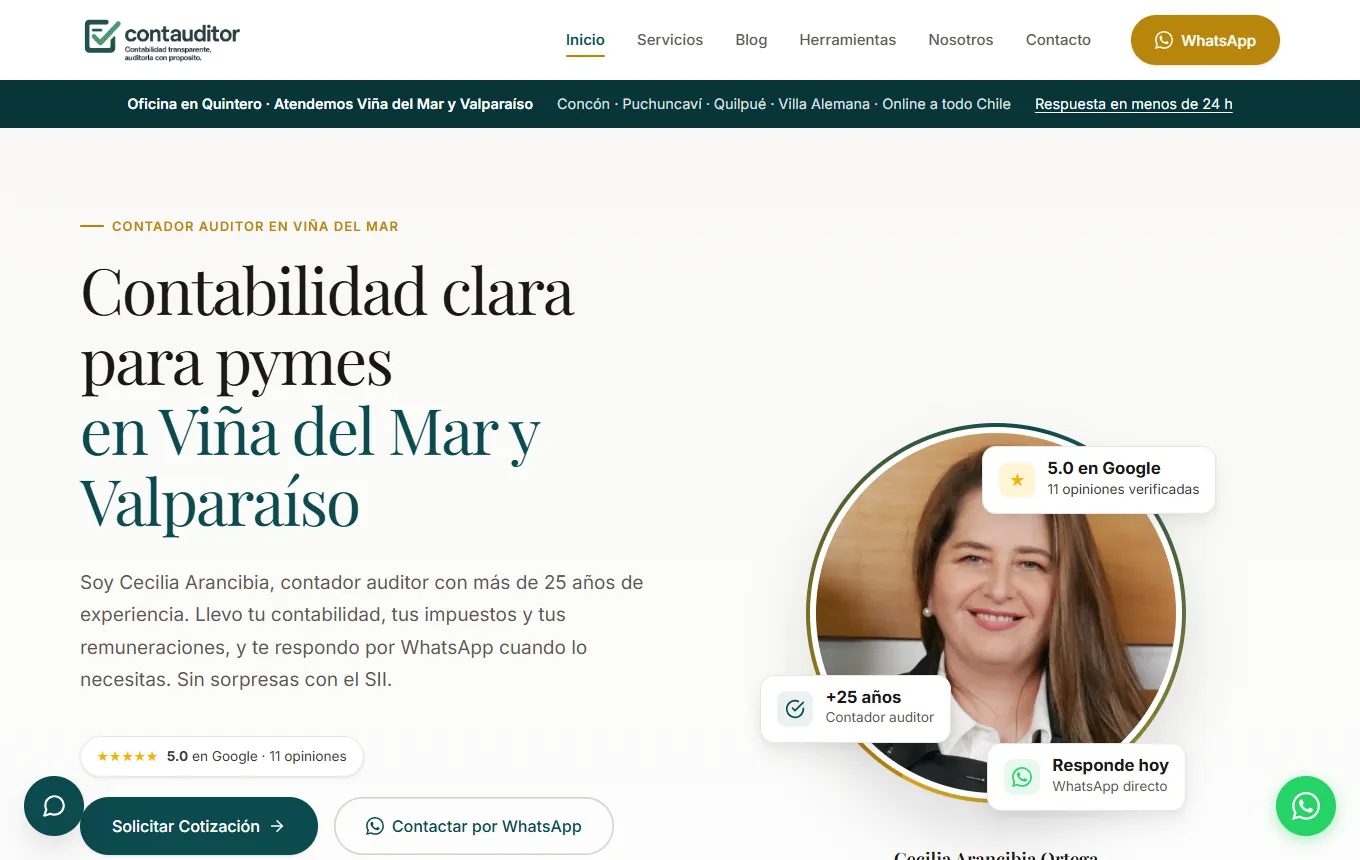
The websites of ContAuditor (accounting) and Osiadacz Abogados have an assistant that guides visitors through a few questions and drops their details straight into the CRM. It uses no AI, and that's fine: a well-designed question tree doesn't make mistakes, doesn't make things up and costs nothing per conversation. To qualify a prospect, it's usually enough.
My rules for using AI in a business
- A human validates everything that gets published or sent to a customer.
- AI never decides on money, prices or legal matters: it explains and drafts, rules decide.
- Costs under control: daily caps, free plans when they're enough, and an automatic stop when the quota runs out.
- If the AI fails, the system keeps going: there's always a plan B.
- Sensitive data protected: nothing that isn't needed is sent to the AI.
Have a repetitive task eating hours every week? Let's talk: sometimes the answer is AI, sometimes a good custom system.
Want to use AI in your business, down to earth?
I'll show you what can be automated in your case, what it costs and what isn't worth it.
Let's talkMessage me on WhatsApp